Hand-Placed Riprap Shoreline Restoration on a Steep 140-Foot Bluff
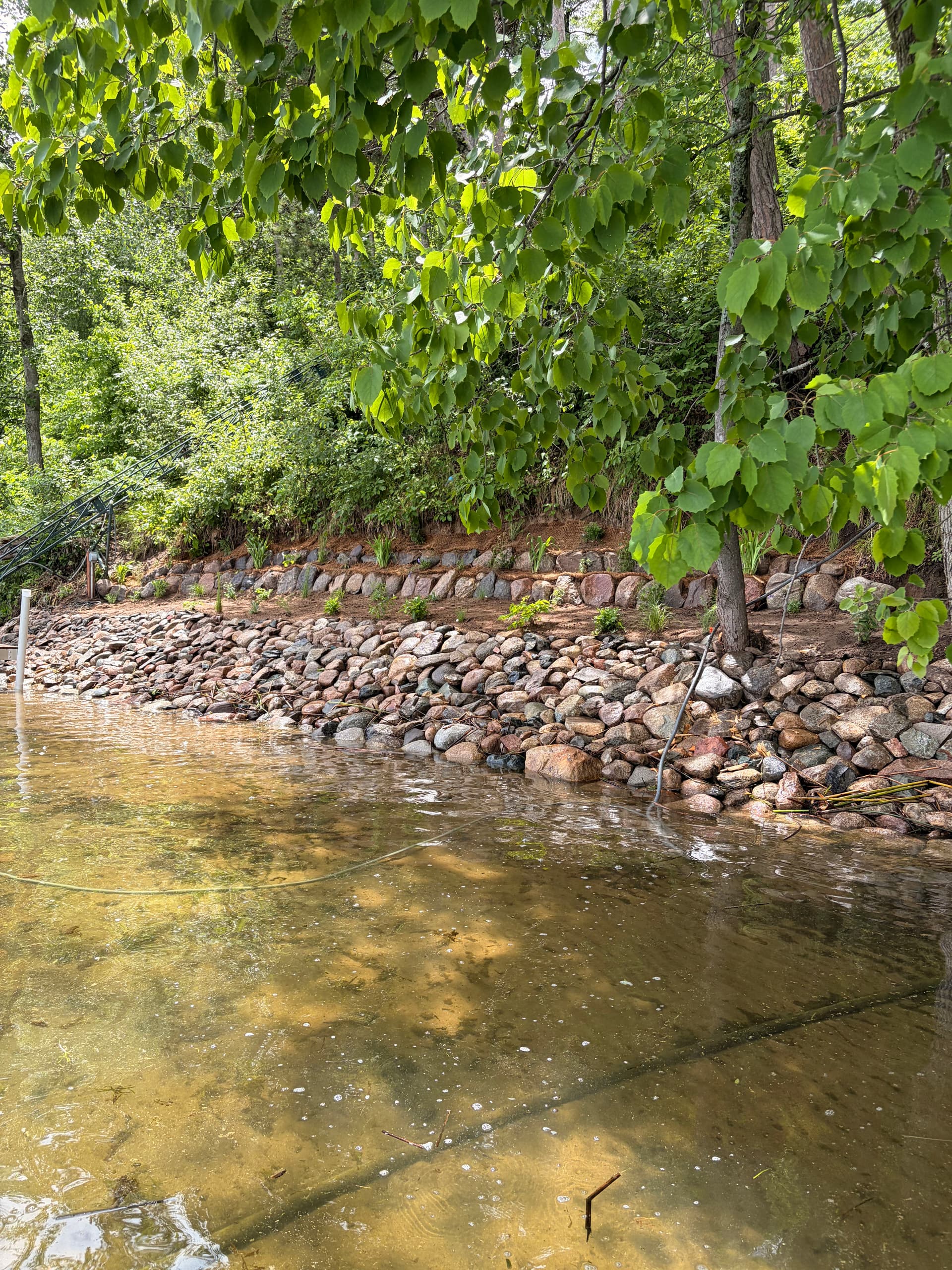
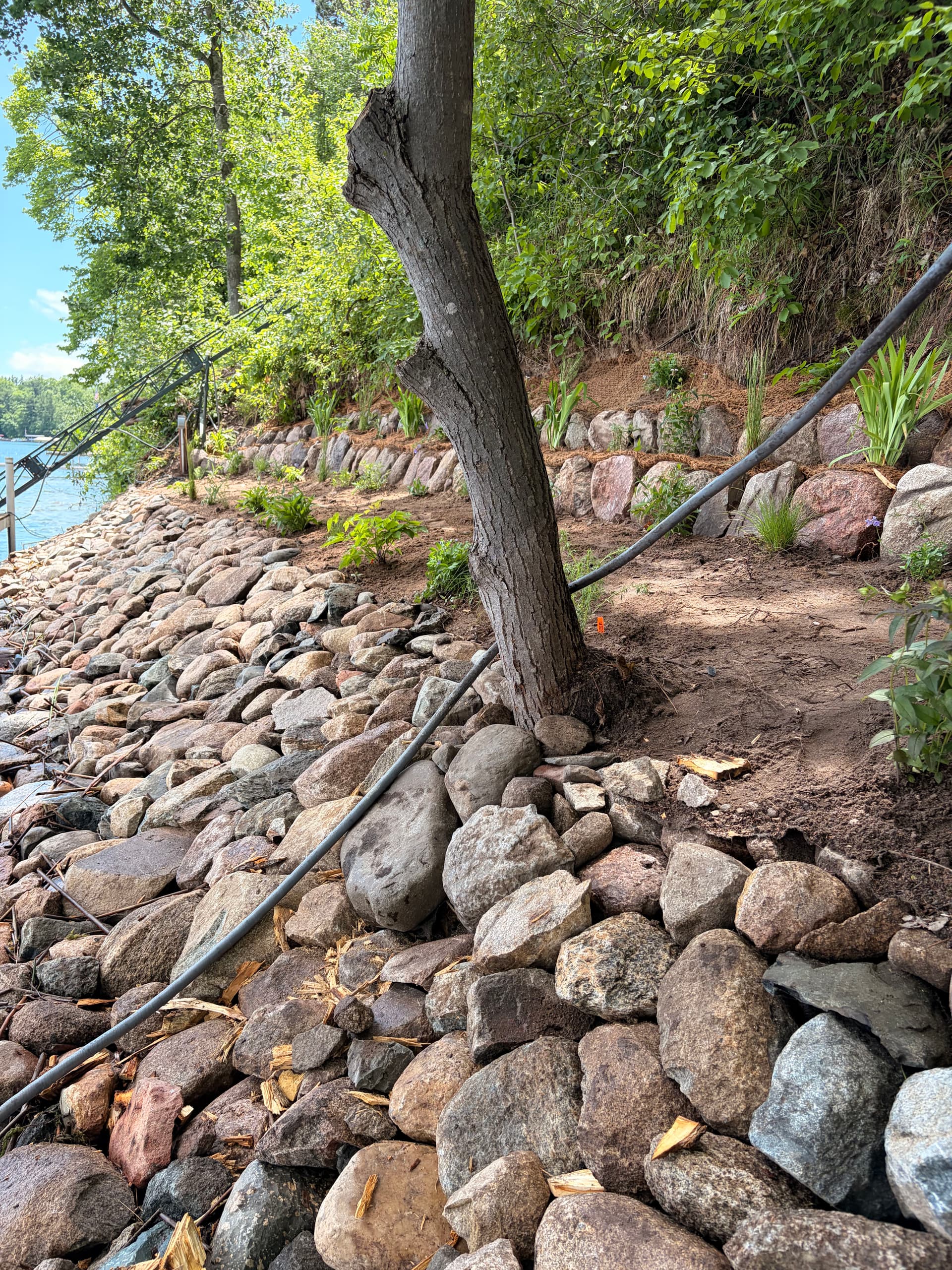
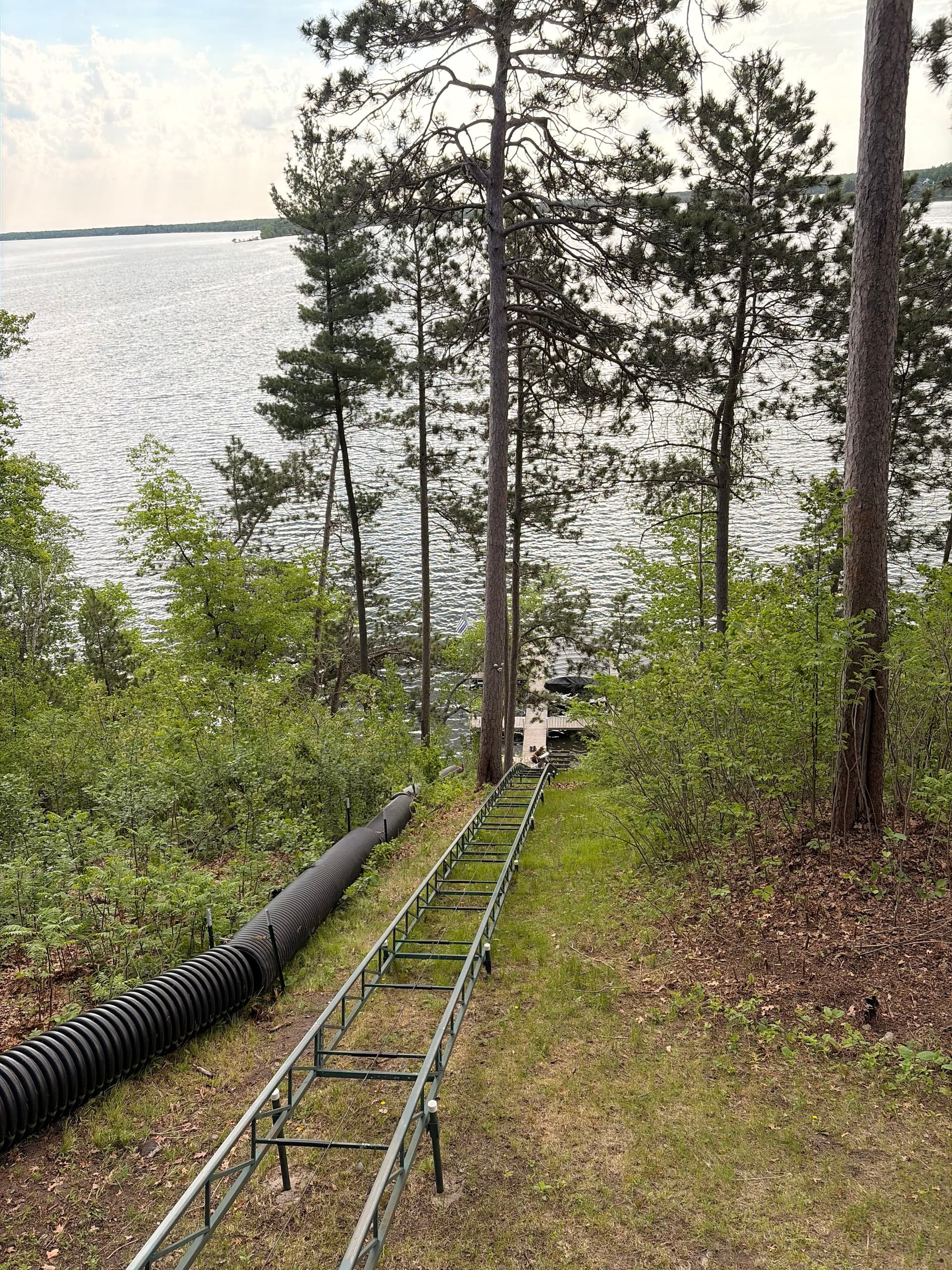
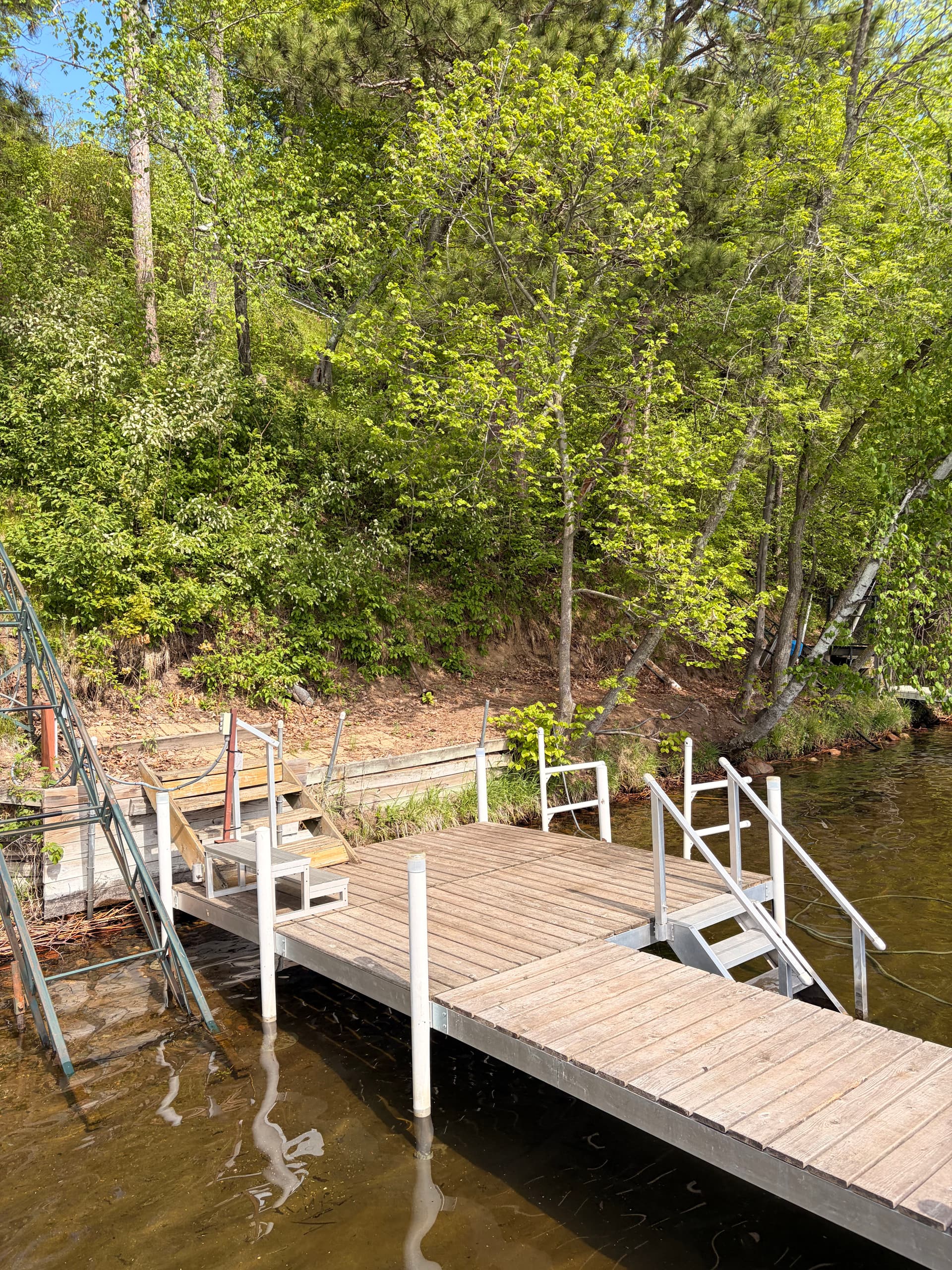
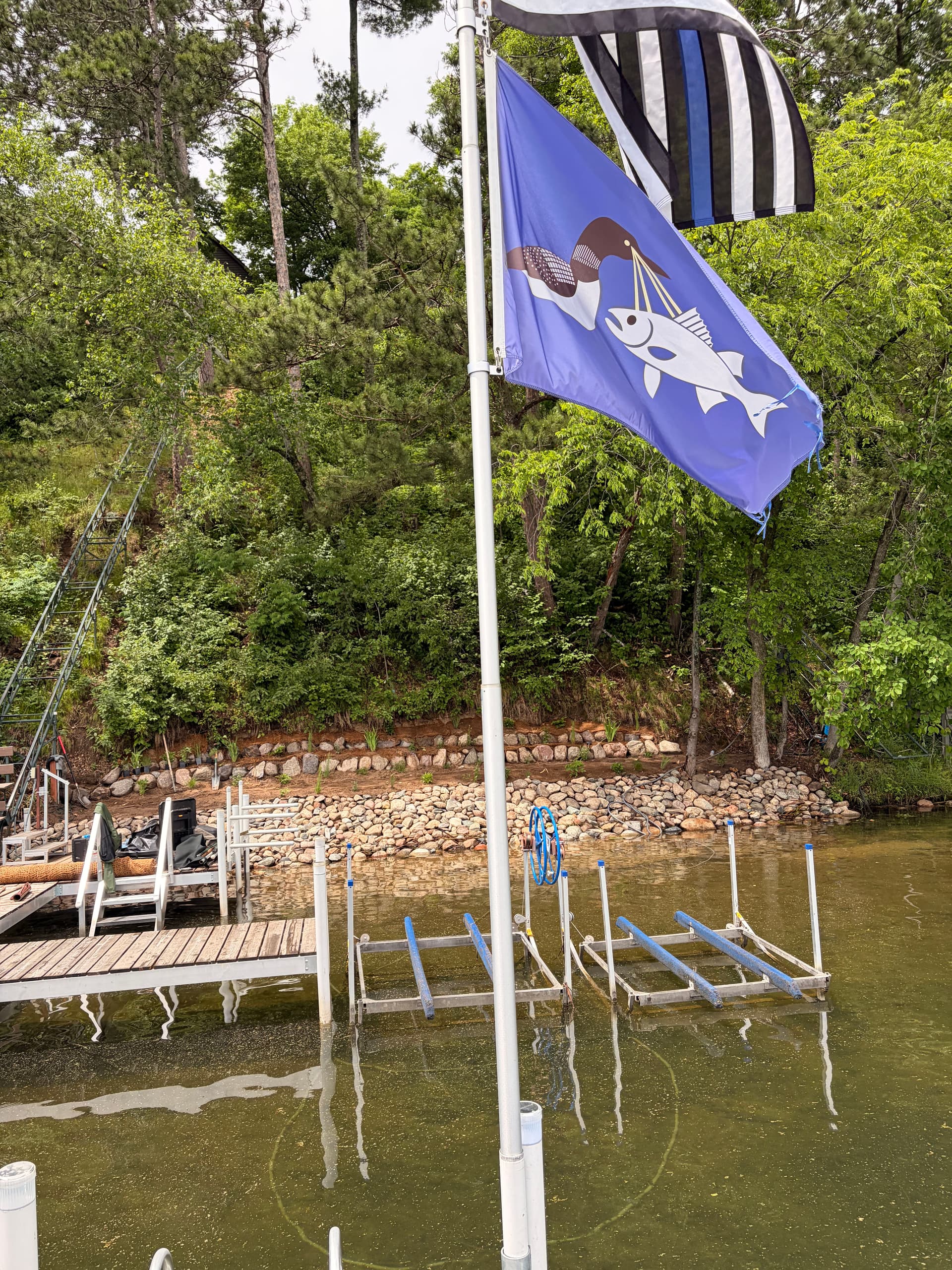
Some shorelines are straightforward. And then there are jobs like this one. A bluff dropping over 140 feet from top to water, no realistic way to get equipment down to where the work needed to happen. Every single rock placed by hand. That's the reality of shoreline restoration on steep, heavily wooded lake properties - and it's exactly the kind of challenge we're built for.
When erosion gets a foothold on a bluff like this, it doesn't slow down on its own. Water undercuts the bank, roots lose their grip, and eventually you're watching your shoreline disappear season after season. The riprap we installed along the water's edge creates a durable armor layer that absorbs wave energy and holds the bank in place. Above that, a boulder wall steps back up the slope to reinforce the mid-bluff section - giving the whole face a layered defense against future erosion.
The hand-placement approach actually matters here. It's not just a workaround for a tough site - it means every rock gets set deliberately, fitted tight against its neighbors, with no gaps that water can work its way through over time. A machine-dumped pile of rock looks similar at first glance, but it won't hold the same way. We take the extra time because the longevity of the work depends on it.
The tram rail system running down the bluff was key to moving material safely on a slope that steep. It's the kind of site-specific problem solving that comes with experience. No two shoreline restoration jobs are the same, and the right solution on a bluff like this looks completely different than what you'd do on a flat, open bank.
What the homeowner ends up with is a shoreline that's ready to take whatever the lake throws at it - boat wakes, ice push, heavy rain runoff - without continuing to lose ground. That's the goal on every job we do. Build it right, build it to last.